


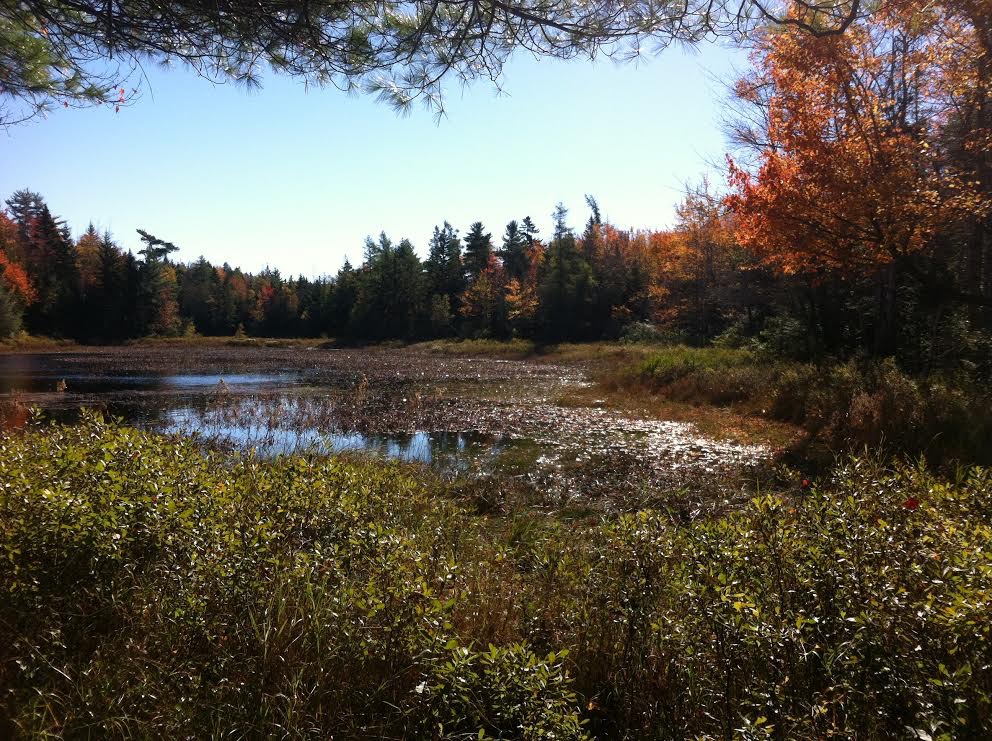
Eastern Maine is the last place on the East Coast where large tracts of forest still meet the sea. On a blue-sky October day at the height of foliage season, I went to explore one such tract – a critical 300-acre parcel that Frenchman Bay Conservancy was considering for purchase. On a landscape scale, conserving it would have been one more step in maintaining the connection between the fabled North Woods and the shores of the Atlantic.

In this piece, originally published in the May 2017 issue of the George Wright Forum (vol 34, no 1), guest observer Rolf Diamant explores the
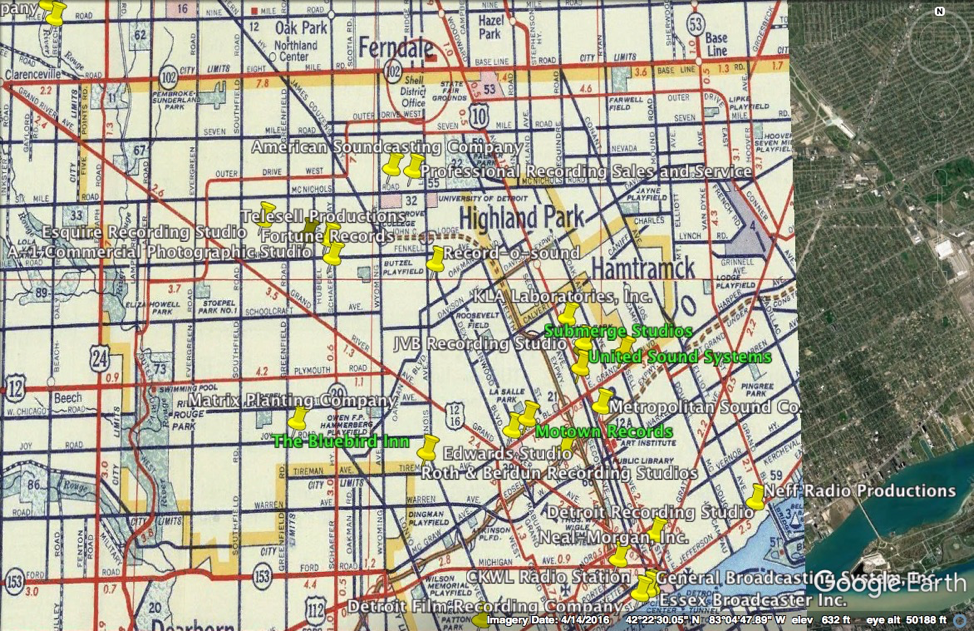
Detroit is a place indelibly marked by the highest highs and the lowest lows of American history. Its crumbling buildings and forgotten factories are the tangible evidence of economic booms and busts, the rise and decline of American manufacturing, and the after-effects of WWII, the Cold War, the Vietnam War, racism and classism, as well as decades of local mismanagement and corruption. It also has a rich urban cultural heritage that is still visible on the landscape, if you look closely enough. Read about one student’s experience seeking this heritage as part of the George Wright Society’s Park Break program, which in 2016 focused on implemtning the National Park Services Urban Agenda.

Last month we added a new element to the Living Landscape Observer – Featured Voices. Going forward, each issue will highlight the work, experiences and perspective of an individual involved in the practice of landscape conservation or the study of large landscapes. Our interviewees will come from academia, the public sector, nonprofit organizations and business- all with the ultimate goal of sharing knowledge and insights into this complex and growing field.
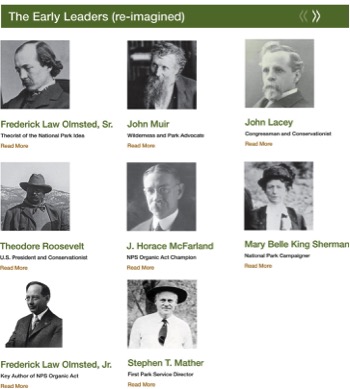
In his most recent Letter from Woodstock long time National Park Service leader Rolf Diamant paints a bigger and more complex picture of the creation of the National Park idea than the fabled Theodore Roosevelt and John Muir camping trip. He asks that we keep before us this broader vision of the National Parks. This will be particularly challenging in the hard times ahead when the temptation will be to retreat into a defensive posture to protect park funding and resources.
Eastern Maine is the last place on the East Coast where large tracts of forest still meet the sea. On a blue-sky October day at the height of foliage season, I went to explore one such tract – a critical 300-acre parcel that Frenchman Bay Conservancy was considering for purchase. On a landscape scale, conserving it would have been one more step in maintaining the connection between the fabled North Woods and the shores of the Atlantic.
In this piece, originally published in the May 2017 issue of the George Wright Forum (vol 34, no 1), guest observer Rolf Diamant explores the
Detroit is a place indelibly marked by the highest highs and the lowest lows of American history. Its crumbling buildings and forgotten factories are the tangible evidence of economic booms and busts, the rise and decline of American manufacturing, and the after-effects of WWII, the Cold War, the Vietnam War, racism and classism, as well as decades of local mismanagement and corruption. It also has a rich urban cultural heritage that is still visible on the landscape, if you look closely enough. Read about one student’s experience seeking this heritage as part of the George Wright Society’s Park Break program, which in 2016 focused on implemtning the National Park Services Urban Agenda.
Last month we added a new element to the Living Landscape Observer – Featured Voices. Going forward, each issue will highlight the work, experiences and perspective of an individual involved in the practice of landscape conservation or the study of large landscapes. Our interviewees will come from academia, the public sector, nonprofit organizations and business- all with the ultimate goal of sharing knowledge and insights into this complex and growing field.
In his most recent Letter from Woodstock long time National Park Service leader Rolf Diamant paints a bigger and more complex picture of the creation of the National Park idea than the fabled Theodore Roosevelt and John Muir camping trip. He asks that we keep before us this broader vision of the National Parks. This will be particularly challenging in the hard times ahead when the temptation will be to retreat into a defensive posture to protect park funding and resources.