
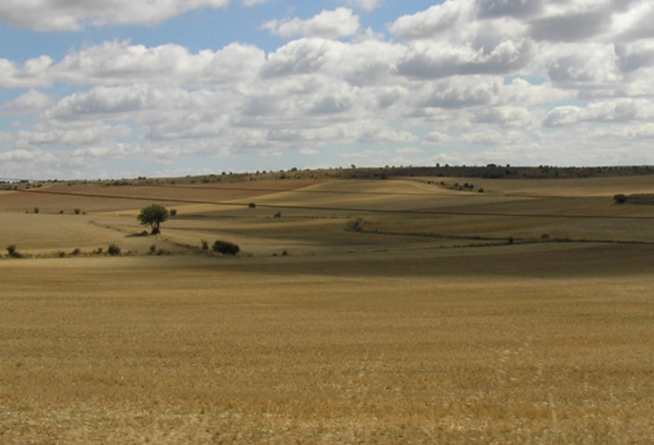
What are the best ways to identify and conserve rural landscapes? Since 2012, participants at a series of international meetings have sought to answer this
Transhumance – the practice of seasonally moving livestock from winter pastures in the lowlands to summer grazing in the mountains – is an ancient intangible and cultural tradition practiced all over the world. The term usually invokes quaint and idyllic images of sheepherders in the European Alps or Pyrenees Mountains and not Wyoming cowboys. Read how the Upper Green River Cattle Association has kept this tradition alive in the United States.
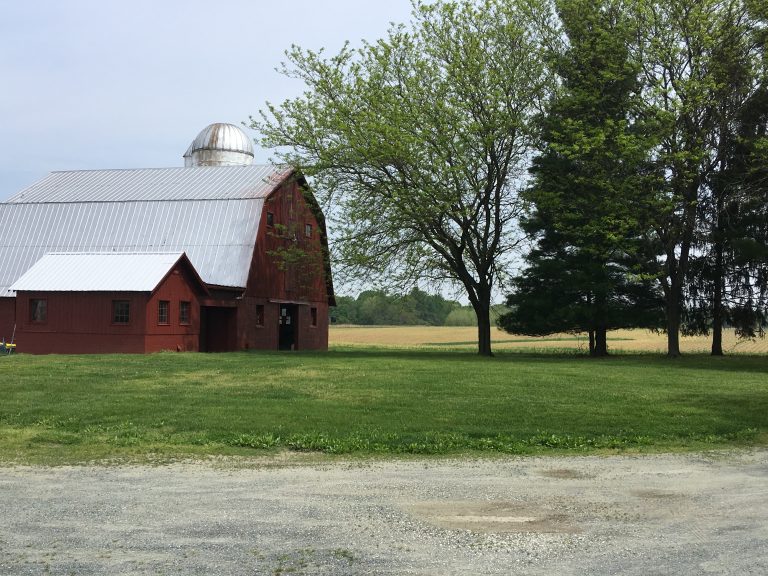
When does the act of conservation itself become historic? Should the establishment of a permanent easement automatically render farmland as potentially eligible for listing on the National Register of Historic Places? Read more about how these ideas could affect the the landscape of historic properties within agricultural communities.
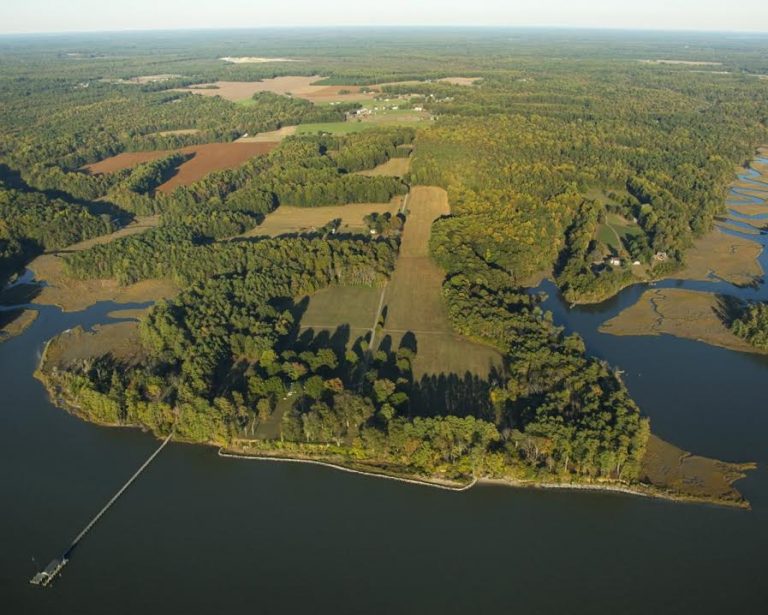
October, 2018, marks the 50th anniversary of two remarkable federal laws: the National Trails System and Wild and Scenic Rivers Acts. Both laws set up ways that the federal government can assist in protecting and operating “long, skinny corridors” for recreation and heritage resource preservation. The key to the success of these corridors across the landscape and along our waterways has always been partnerships. Federal agencies working with private citizens and dedicated volunteers, have created irreplaceable links to our cultural and natural heritage.
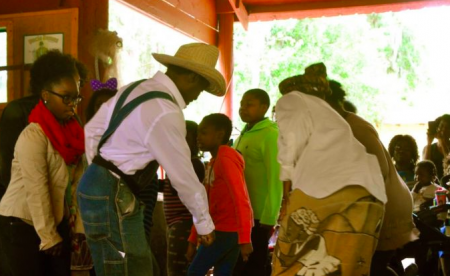
Heather Hodges is the Executive Director of the Gullah Geechee Cultural Heritage Corridor. This piece offers a reflection on the interconnectedness of the Gullah Geechee cultural traditions and the lands on which those traditions were formed.
What are the best ways to identify and conserve rural landscapes? Since 2012, participants at a series of international meetings have sought to answer this
Transhumance – the practice of seasonally moving livestock from winter pastures in the lowlands to summer grazing in the mountains – is an ancient intangible and cultural tradition practiced all over the world. The term usually invokes quaint and idyllic images of sheepherders in the European Alps or Pyrenees Mountains and not Wyoming cowboys. Read how the Upper Green River Cattle Association has kept this tradition alive in the United States.
When does the act of conservation itself become historic? Should the establishment of a permanent easement automatically render farmland as potentially eligible for listing on the National Register of Historic Places? Read more about how these ideas could affect the the landscape of historic properties within agricultural communities.
October, 2018, marks the 50th anniversary of two remarkable federal laws: the National Trails System and Wild and Scenic Rivers Acts. Both laws set up ways that the federal government can assist in protecting and operating “long, skinny corridors” for recreation and heritage resource preservation. The key to the success of these corridors across the landscape and along our waterways has always been partnerships. Federal agencies working with private citizens and dedicated volunteers, have created irreplaceable links to our cultural and natural heritage.
Heather Hodges is the Executive Director of the Gullah Geechee Cultural Heritage Corridor. This piece offers a reflection on the interconnectedness of the Gullah Geechee cultural traditions and the lands on which those traditions were formed.