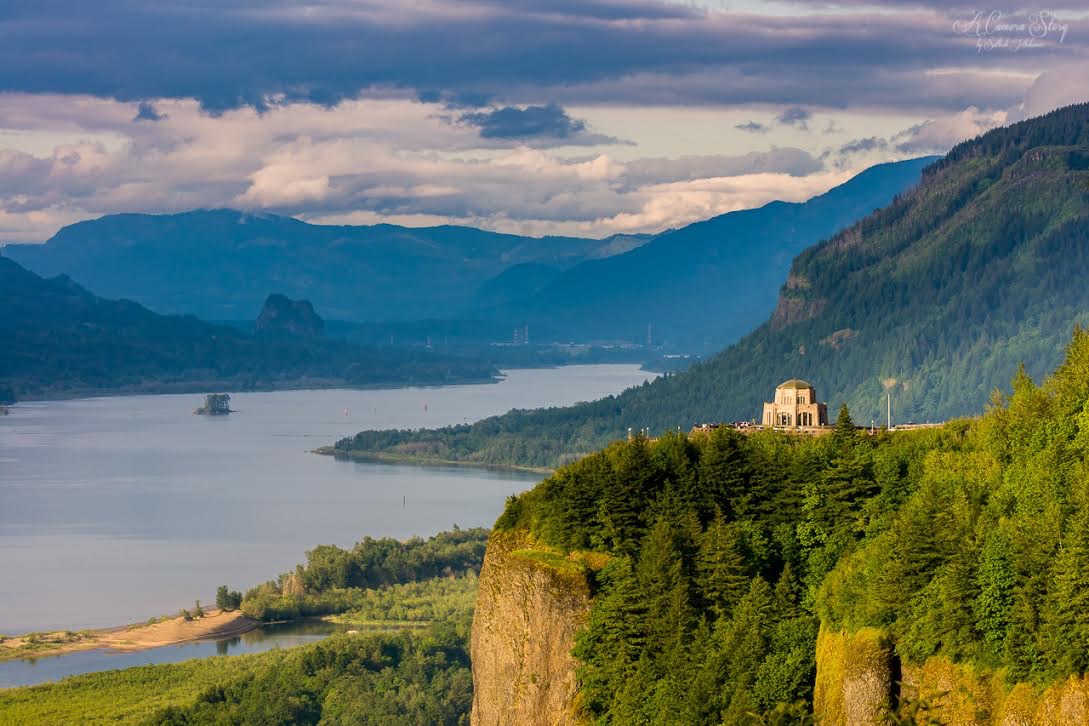
Political compromise is unappreciated in our culture of late. It should not be so. Sometimes compromise works. One success story is the conservation of the Columbia Gorge. It stretches for some eighty miles from just east of Portland Oregon through the Cascade Mountains to the open hills beyond. Bipartisan collaboration conserved this majestic landscape.
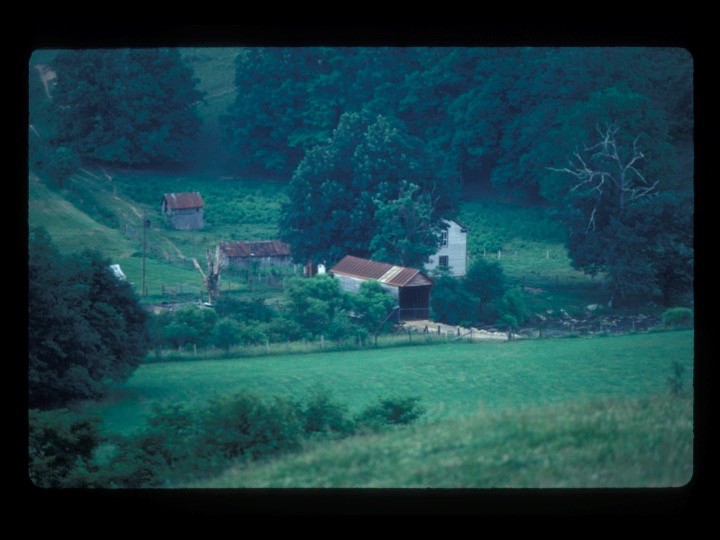
A recent report prepared at the request of the Greater Newport Rural Historic District Committee – whose National Register-listed district is one of several identified rural historic districts transected by the route of the proposed Mountain Valley Pipeline (MVP) across the Appalachians assesses whether the impacted districts met the criteria for a traditional cultural places” (or properties) – that is “TCPs” – per National Register Bulletin 38.
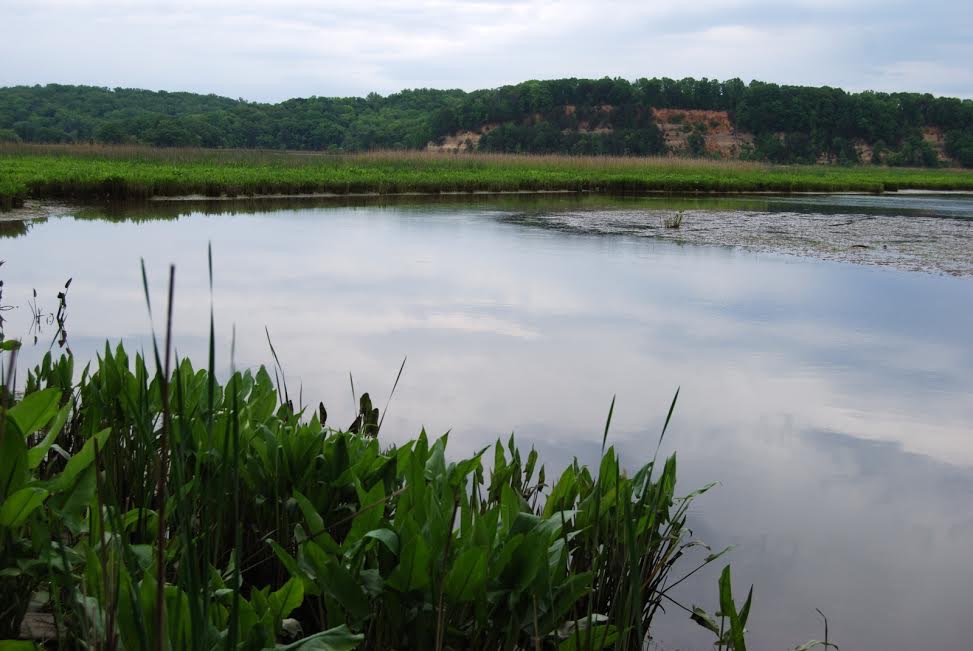
By Joe McCauley In 1940, Thomas Wolfe wrote You Can’t Go Home Again, a novel about finding one’s identity in the modern world. In popular
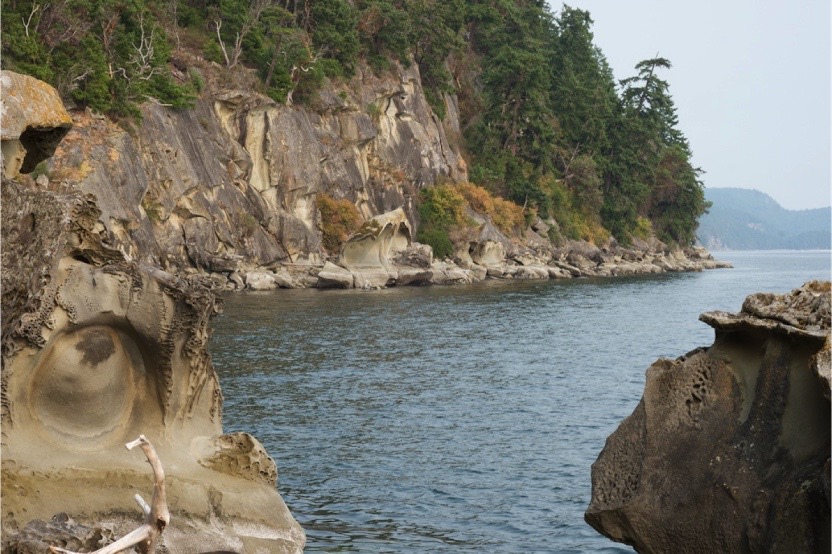
How we resolve the dissonance in our thinking between the goals of conserving ‘nature’ and ‘culture’. One area where this question is being dealt with in an engaging way is within the field of ecological restoration. Off the west coast of Canada, on a small island in the Gulf Islands archipelago, The Galiano Conservancy Association offers an exciting model of how to transform traditional nature conservation.
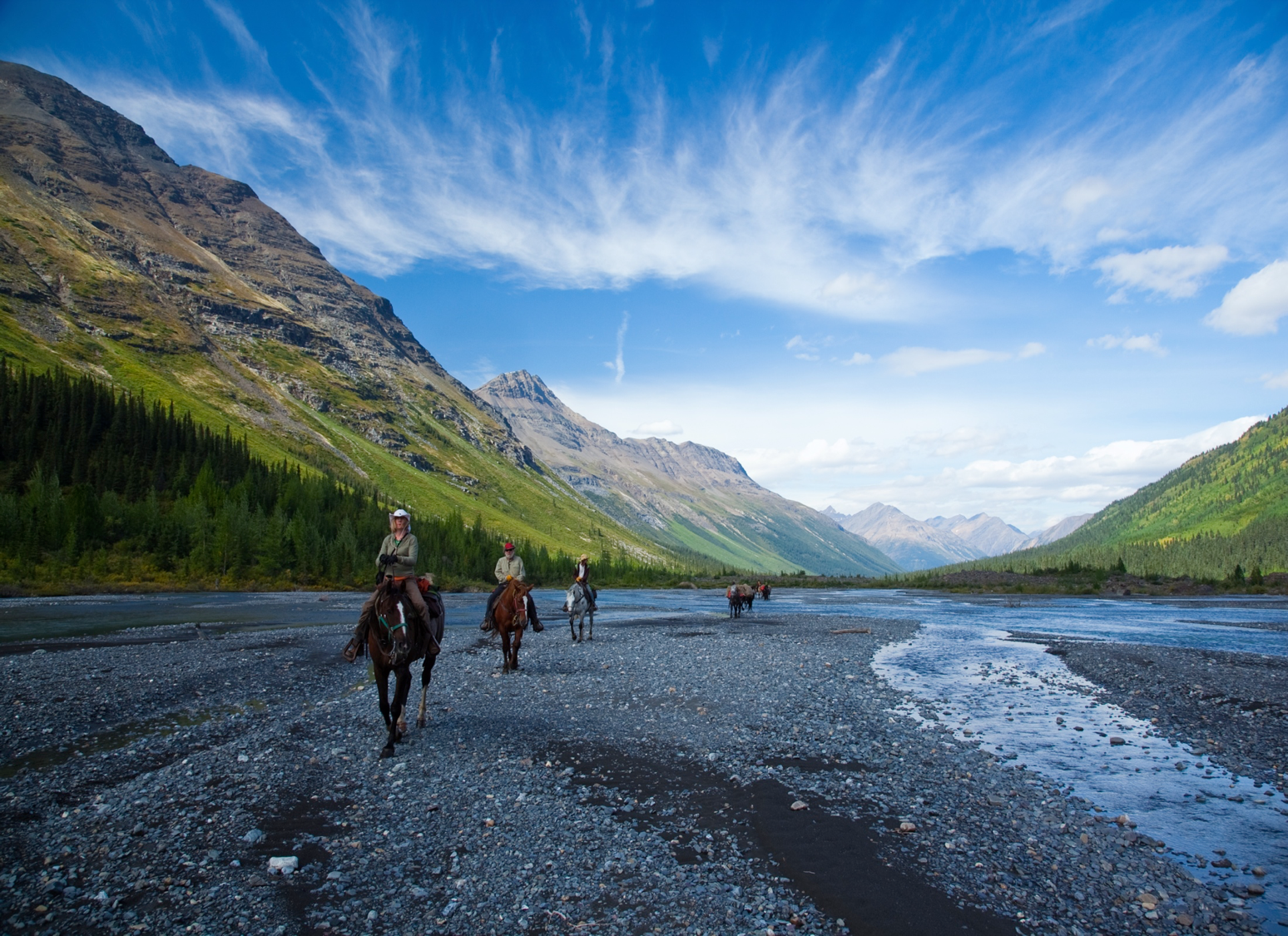
The need and the recognition of a growing movement inspired the founding of the International Land Conservation Network (ILCN), which is working to connect organizations and people across a broad spectrum of action relating to private and civic land conservation. The ILCN envisions a world in which the public, private, civic (NGO), and academic sectors, together with indigenous communities around the globe, work collaboratively to protect and steward land that is essential for wildlife habitat, clean and abundant water, treasured human historical and cultural amenities, and sustainable food, fiber, and energy production.
Political compromise is unappreciated in our culture of late. It should not be so. Sometimes compromise works. One success story is the conservation of the Columbia Gorge. It stretches for some eighty miles from just east of Portland Oregon through the Cascade Mountains to the open hills beyond. Bipartisan collaboration conserved this majestic landscape.
A recent report prepared at the request of the Greater Newport Rural Historic District Committee – whose National Register-listed district is one of several identified rural historic districts transected by the route of the proposed Mountain Valley Pipeline (MVP) across the Appalachians assesses whether the impacted districts met the criteria for a traditional cultural places” (or properties) – that is “TCPs” – per National Register Bulletin 38.
By Joe McCauley In 1940, Thomas Wolfe wrote You Can’t Go Home Again, a novel about finding one’s identity in the modern world. In popular
How we resolve the dissonance in our thinking between the goals of conserving ‘nature’ and ‘culture’. One area where this question is being dealt with in an engaging way is within the field of ecological restoration. Off the west coast of Canada, on a small island in the Gulf Islands archipelago, The Galiano Conservancy Association offers an exciting model of how to transform traditional nature conservation.
The need and the recognition of a growing movement inspired the founding of the International Land Conservation Network (ILCN), which is working to connect organizations and people across a broad spectrum of action relating to private and civic land conservation. The ILCN envisions a world in which the public, private, civic (NGO), and academic sectors, together with indigenous communities around the globe, work collaboratively to protect and steward land that is essential for wildlife habitat, clean and abundant water, treasured human historical and cultural amenities, and sustainable food, fiber, and energy production.