The Vernacular Architecture Forum recently awarded the Pennsylvania Agricultural History Project its Paul E. Buchanan Award in recognition of the project’s contribution to the study of the nation’s built environment. The Agricultural History Project includes narrative histories describing the evolution of different farming systems around the state, historic census data, a field guide to historic farm buildings and landscapes, bibliographic resources and more.
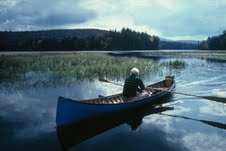
Has the time come for the Adirondack Park to be “inspirational, educational, recreational, ecological and economically sustainable?” If so, what has changed in local and state politics to allow for such a transformation. Paul Bray explains how a contested landscape is now becoming collaborative.
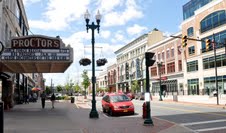
How can cities get creative in planning a future that draws on the past as well as new and emerging approaches to fundraising like crowdsourcing? Thoughts on how communities in New York State are approaching these questions and challenges.
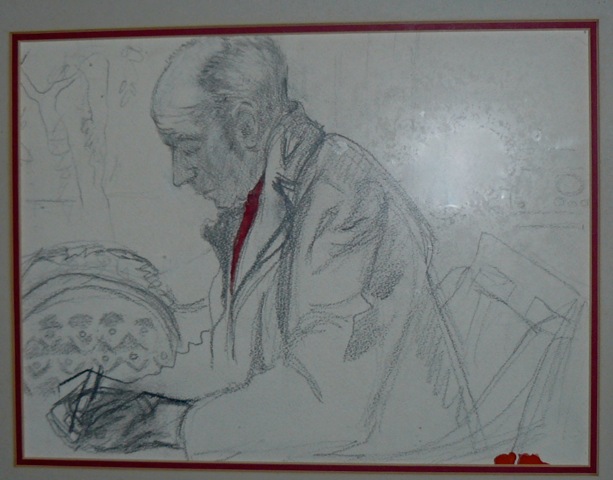
A remembrance of J.B. Jackson, among the most influential thinkers and writers on landscape in the 20 century.
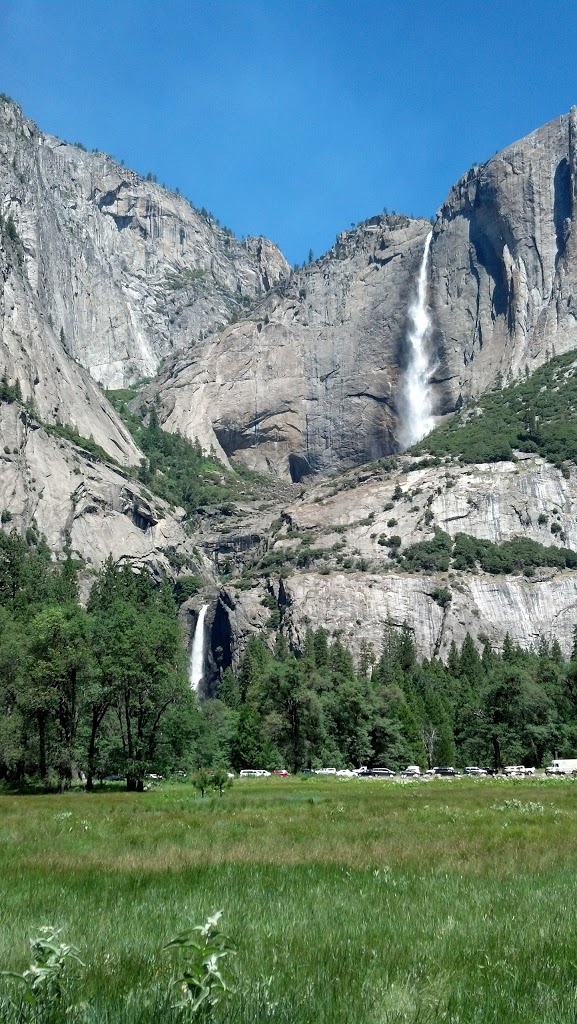
This piece by Peter Stott, originally published in the George Wright forum journal, provides a strong case for the United States’ participation in the World Heritage Convention.
The Vernacular Architecture Forum recently awarded the Pennsylvania Agricultural History Project its Paul E. Buchanan Award in recognition of the project’s contribution to the study of the nation’s built environment. The Agricultural History Project includes narrative histories describing the evolution of different farming systems around the state, historic census data, a field guide to historic farm buildings and landscapes, bibliographic resources and more.
Has the time come for the Adirondack Park to be “inspirational, educational, recreational, ecological and economically sustainable?” If so, what has changed in local and state politics to allow for such a transformation. Paul Bray explains how a contested landscape is now becoming collaborative.
How can cities get creative in planning a future that draws on the past as well as new and emerging approaches to fundraising like crowdsourcing? Thoughts on how communities in New York State are approaching these questions and challenges.
A remembrance of J.B. Jackson, among the most influential thinkers and writers on landscape in the 20 century.
This piece by Peter Stott, originally published in the George Wright forum journal, provides a strong case for the United States’ participation in the World Heritage Convention.